Specialized Care for Heart Rhythm Conditions
Your heart relies on a steady electrical system to maintain a normal heartbeat. When that system isn't working properly, the result can be an abnormal heart rhythm, or arrhythmia. At Cardiovascular Physicians of Delaware, our electrophysiology team specializes in diagnosing, monitoring, and treating heart rhythm disorders using advanced technology and minimally invasive procedures. Whether you're experiencing occasional palpitations or managing a complex arrhythmia, we provide personalized care to help restore and maintain a healthy heart rhythm.
Understanding Arrhythmias & Heart Rhythm Disorders
Heart rhythm disorders occur when the electrical signals that control your heartbeat become disrupted, causing the heart to beat too quickly, too slowly, or irregularly. While some arrhythmias are harmless, others can increase the risk of stroke, heart failure, or sudden cardiac arrest if left untreated. Early evaluation can help identify the underlying cause and determine the most appropriate treatment.
When Should You See a Heart Rhythm Specialist?
You may benefit from an evaluation if you experience heart palpitations, dizziness, fainting, unexplained fatigue, shortness of breath, or episodes of a racing or irregular heartbeat. Your primary care provider or cardiologist may also refer you after an abnormal EKG or other cardiac testing. Our electrophysiology specialists perform comprehensive evaluations to accurately diagnose heart rhythm disorders and develop individualized treatment plans.
Common Heart Rhythm Disorders
Our electrophysiology team diagnoses and treats many types of heart rhythm disorders, ranging from common conditions to more complex electrical abnormalities. Common arrhythmias include:
Atrial Fibrillation (AFib)
Atrial fibrillation is the most common type of arrhythmia. It causes the upper chambers of the heart to beat irregularly, increasing the risk of stroke, heart failure, and other complications. Treatment may include medications, cardioversion, catheter ablation, or procedures such as the Watchman device for appropriate patients.
Atrial Flutter
Atrial flutter is an abnormal heart rhythm that causes the atria to beat rapidly in a more organized pattern than atrial fibrillation. It can cause symptoms similar to AFib, including palpitations, fatigue, and shortness of breath, and may be treated with medication, cardioversion, or catheter ablation.
Bradycardia
Bradycardia occurs when the heart beats too slowly to supply enough blood to the body. While some people naturally have a slower heart rate, others may experience dizziness, fatigue, or fainting. Depending on the cause, treatment may include monitoring or implantation of a pacemaker.
Tachycardia & Other Arrhythmias
Tachycardia refers to heart rhythms that are faster than normal and includes conditions such as supraventricular tachycardia (SVT) and ventricular tachycardia (VT). Our electrophysiologists use advanced testing to identify the source of the abnormal rhythm and recommend the most appropriate treatment, which may include medication, catheter ablation, or implantable devices.
Diagnostic Testing & Cardiac Monitoring
Advanced monitoring allows our physicians to capture abnormal heart rhythms, even when symptoms occur infrequently. We offer several diagnostic tools to evaluate your heart's electrical activity and guide treatment decisions.
Holter Monitor (24–48 Hours)
A Holter Monitor is a portable device worn for 24 to 48 hours that continuously records your heart’s electrical activity. It is used to detect irregular heart rhythms that may not appear during a standard EKG. Electrodes are attached to your chest and connected to a small monitor worn on your belt or shoulder. During the monitoring period, you go about your normal daily activities while the device tracks your heartbeats. This test helps identify arrhythmias, palpitations, or unexplained dizziness. It is painless, non-invasive, and provides valuable insight into how your heart functions over an extended period.
Loop Event Monitor (3–30 Days)
A Loop Event Monitor is a wearable heart monitoring device used to detect irregular heart rhythms over an extended period—typically from 3 to 30 days. Unlike a Holter monitor, which records continuously, a loop monitor records only when triggered by symptoms or automatic detection of abnormal rhythms. It’s useful for diagnosing infrequent symptoms like dizziness, palpitations, or fainting. The device is small, worn comfortably under clothing, and allows patients to continue normal activities. Data collected is transmitted to your healthcare provider for review. This non-invasive test offers a longer-term view of your heart’s electrical activity for accurate diagnosis and treatment planning.
Mobile Cardiac Telemetry (MCT/MPAT)
A Mobile Cardiac Telemetry (MCT) Monitor, also known as MPAT, is a portable device worn for 3 to 30 days to continuously monitor your heart’s electrical activity in real time. It detects and automatically transmits abnormal heart rhythms (arrhythmias) to a monitoring center, where data is reviewed by clinicians. This allows for immediate response to serious events. The device is lightweight, easy to wear, and ideal for capturing intermittent symptoms like palpitations, dizziness, or fainting. MCT provides more detailed and timely information than traditional monitors, making it a powerful tool for accurate diagnosis and early intervention.
Implantable Loop Recorder
An Implantable Loop Recorder (ILR) is a small device placed just under the skin of the chest to continuously monitor and record the heart’s electrical activity. It is used to detect irregular heart rhythms (arrhythmias) that may not show up during standard testing, especially in patients with unexplained fainting, dizziness, or palpitations. The device can monitor the heart for up to 3 years, automatically recording abnormal rhythms and allowing your doctor to review the data remotely. The procedure is quick, minimally invasive, and performed under local anesthesia—providing long-term insights into your heart’s rhythm for accurate diagnosis and treatment planning.
Electrophysiology (EP) Study
An Electrophysiology (EP) Study is a specialized test that evaluates the heart’s electrical system to identify the source of abnormal heart rhythms (arrhythmias). During the procedure, thin catheters with electrodes are inserted through blood vessels and guided to the heart. These electrodes record electrical signals and may stimulate the heart to reproduce the arrhythmia under controlled conditions. This helps pinpoint the exact area causing the problem. Often performed under sedation, an EP study is safe and typically lasts a few hours. It may be followed by an ablation if treatment is needed during the same procedure.
Advanced Arrhythmia Treatments
Our electrophysiologists offer a variety of minimally invasive procedures to restore normal heart rhythm, reduce symptoms, and lower the risk of complications associated with arrhythmias.
Cardioversion
Cardioversion is a medical procedure used to restore a normal heart rhythm in people with certain types of abnormal heartbeats, such as atrial fibrillation or atrial flutter. It can be performed electrically, using a controlled shock to the heart, or with medications. Electrical cardioversion is quick and typically done under light sedation to ensure comfort. The goal is to reset the heart’s rhythm and improve symptoms like palpitations, fatigue, or shortness of breath. It’s a safe, effective procedure that’s often done on an outpatient basis, helping patients return to a more stable and efficient heart rhythm.
TEE with Cardioversion
A transesophageal echocardiogram (TEE) is a specialized ultrasound test that provides detailed images of the heart by inserting a small probe into the esophagus. Because the esophagus is close to the heart, TEE delivers clearer, more precise visuals than a standard echocardiogram, making it especially useful for evaluating heart valves, detecting blood clots, or assessing infections. TEE with Cardioversion is performed when patients have abnormal heart rhythms, such as atrial fibrillation. TEE is used first to ensure there are no clots in the heart before safely delivering a controlled electrical shock (cardioversion) to restore normal rhythm. Both are typically done under sedation and are safe, effective procedures.
Cardiac Ablation
Cardiac Ablation is a minimally invasive procedure used to treat abnormal heart rhythms (arrhythmias), such as atrial fibrillation or supraventricular tachycardia. During the procedure, a thin catheter is guided through blood vessels to the heart, where targeted energy—radiofrequency or cryotherapy—is used to destroy the small areas of heart tissue causing the irregular rhythm. This helps restore a normal heartbeat and reduce symptoms like palpitations, dizziness, or fatigue. Performed under sedation or anesthesia, ablation is safe, effective, and often provides long-term relief for patients whose arrhythmias haven’t responded to medication. Most patients return home the same day or after an overnight stay.
Pacemaker & ICD Implantation
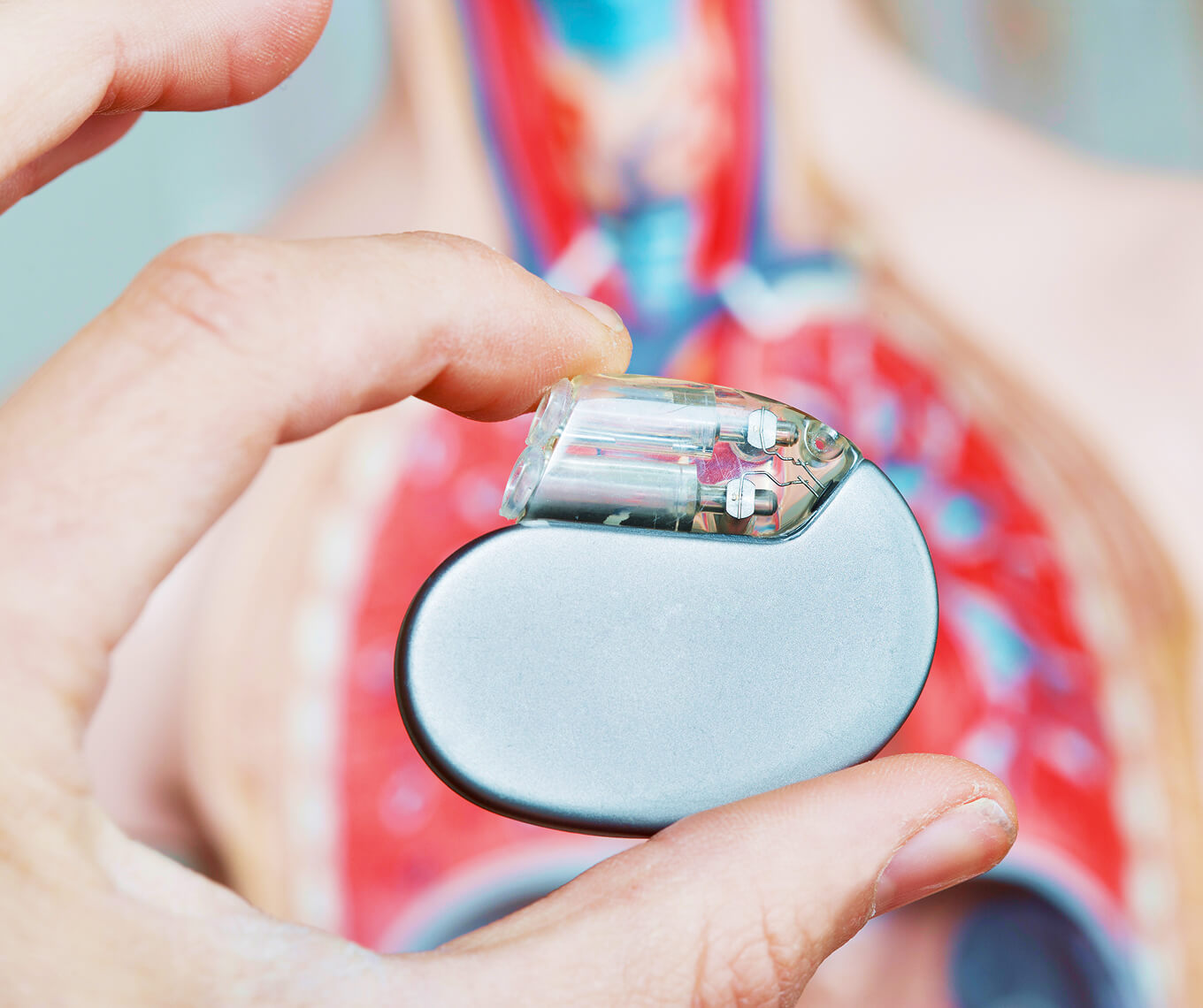
A Pacemaker or ICD (Implantable Cardioverter Defibrillator) Implant is a minimally invasive procedure used to treat abnormal heart rhythms. A pacemaker helps regulate slow or irregular heartbeats, while an ICD monitors for dangerously fast rhythms and delivers a shock if needed to restore a normal rhythm. Both devices are implanted under the skin, usually near the collarbone, and connected to the heart with thin wires (leads). The procedure is typically done under local anesthesia with mild sedation and takes about 1–2 hours. These devices help prevent symptoms like dizziness, fatigue, or fainting and reduce the risk of sudden cardiac arrest.
Watchman™
The Watchman procedure is a minimally invasive treatment for patients with atrial fibrillation (AFib) not caused by a heart valve problem, who are at risk for stroke and need an alternative to long-term blood thinners. The Watchman device is a small, parachute-shaped implant placed in the left atrial appendage of the heart, where most stroke-causing clots form in AFib patients. Inserted via a catheter through a vein in the leg, the device permanently seals off this area to prevent clots from entering the bloodstream. The procedure is safe, typically takes about an hour, and offers lasting stroke protection without the need for lifelong anticoagulation.