
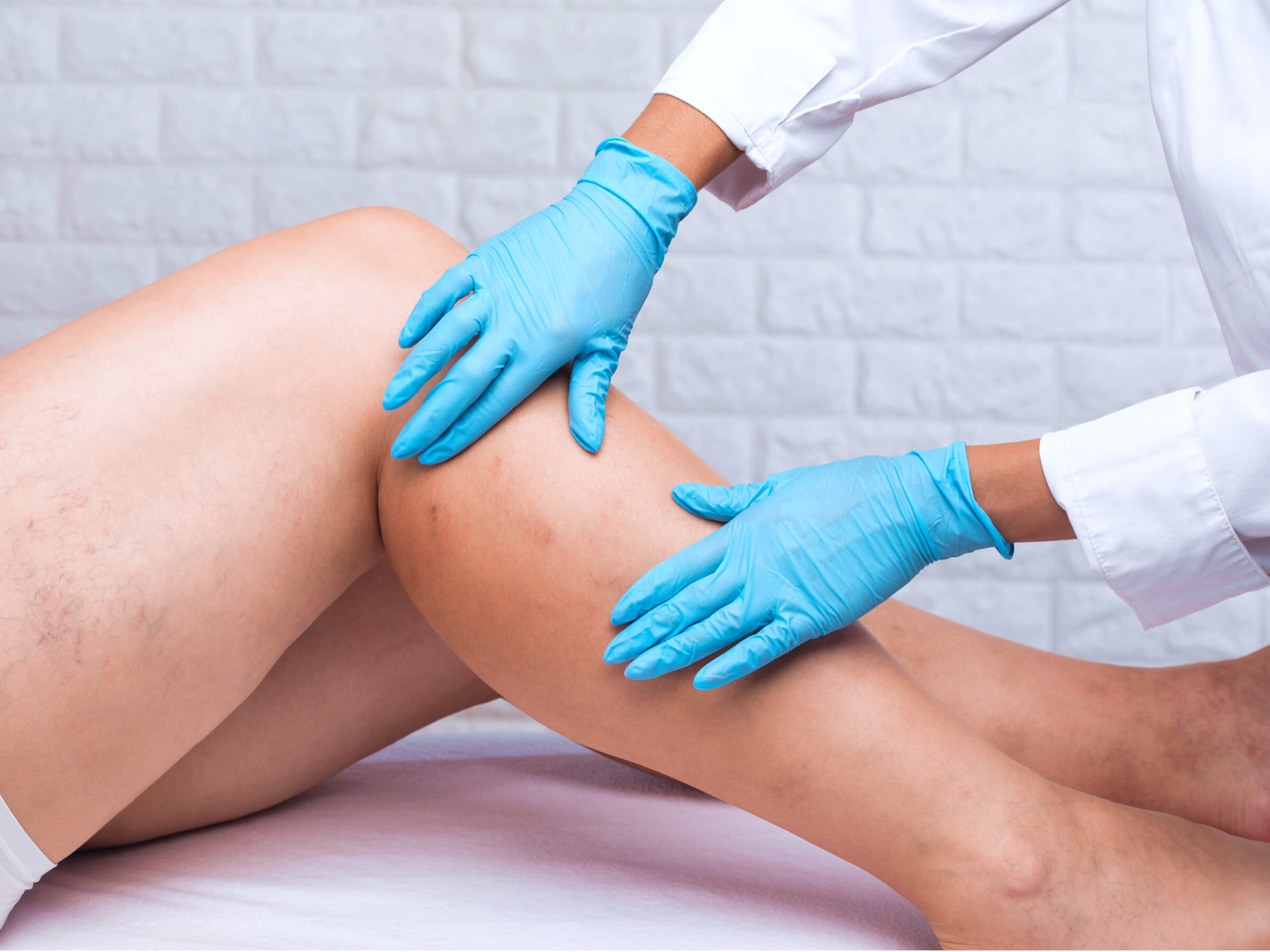
Understanding Spider Veins
Spider veins are small, damaged blood vessels that appear close to the surface of the skin. They often look like thin red, blue, or purple lines that resemble a spider web or tree branches, and most commonly develop on the legs or face. Although spider veins are frequently considered a cosmetic concern, they can sometimes be associated with underlying vein disease or poor circulation. At Cardiovascular Physicians of Delaware, our vein specialists provide comprehensive evaluations to determine the cause of your vein concerns and recommend personalized treatment options based on your symptoms and overall vein health.
Symptoms & Appearance of Spider Veins
Many people seek treatment because of the appearance of spider veins, but some patients also experience physical symptoms. Spider veins may be accompanied by aching, burning, itching, mild swelling, or a feeling of heaviness in the legs, particularly after standing or sitting for long periods. While these symptoms are often mild, they can affect your comfort and quality of life. Because spider veins sometimes develop alongside larger varicose veins or chronic venous insufficiency, it's important to have persistent symptoms evaluated by a vein specialist rather than assuming they are only cosmetic.
What Causes Spider Veins?
Spider veins develop when tiny veins near the surface of the skin become enlarged due to increased pressure or weakened vein walls. Several factors can contribute to their development, including aging, genetics, pregnancy, hormonal changes, obesity, prolonged standing or sitting, sun exposure, and previous vein injury. While some risk factors cannot be changed, maintaining a healthy lifestyle and addressing vein disease early may help reduce progression and improve long-term vein health.
Spider Vein Treatment Options
Treatment depends on the location of the spider veins, whether they're causing symptoms, and whether underlying vein disease is present. During your evaluation, our specialists may recommend diagnostic vein imaging to determine if deeper veins are contributing to your symptoms.
Many patients benefit from conservative measures such as regular exercise, compression stockings, leg elevation, and maintaining a healthy weight to support circulation. For patients seeking additional treatment, minimally invasive procedures can effectively reduce the appearance of spider veins while improving symptoms related to poor circulation. Our team will discuss your goals, explain your treatment options, and create a personalized plan designed to achieve the best possible outcome.
Why Vein Evaluation Matters
Although spider veins are often harmless, they shouldn't always be dismissed as a cosmetic issue. In some cases, they may be an early sign of chronic venous insufficiency or another underlying circulation problem that requires medical attention. A comprehensive vein evaluation allows your specialist to identify the source of your symptoms, recommend the most appropriate treatment, and determine whether additional vascular testing is needed.
Seeking care early may help prevent vein disease from progressing while improving both your comfort and confidence. Whether you're experiencing symptoms or simply want to learn more about your treatment options, our team is here to help.