Understanding Carotid Artery Disease
Carotid artery disease occurs when plaque builds up inside the carotid arteries, the major blood vessels that supply oxygen-rich blood to the brain. As these arteries become narrowed, blood flow can be reduced, increasing the risk of stroke or transient ischemic attack (TIA), often called a "mini-stroke." Early diagnosis and treatment can help reduce these risks and protect your long-term vascular health.
Symptoms & Warning Signs of Carotid Artery Disease
Many people with carotid artery disease have no symptoms until a stroke or TIA occurs. When symptoms do develop, they may include sudden weakness or numbness on one side of the body, difficulty speaking, vision changes, dizziness, or sudden loss of coordination. Because these symptoms require immediate medical attention, it's important to seek emergency care if they occur. Patients with risk factors such as high blood pressure, high cholesterol, diabetes, smoking, or a history of cardiovascular disease may also benefit from vascular evaluation before symptoms develop.
Diagnosing Carotid Artery Disease
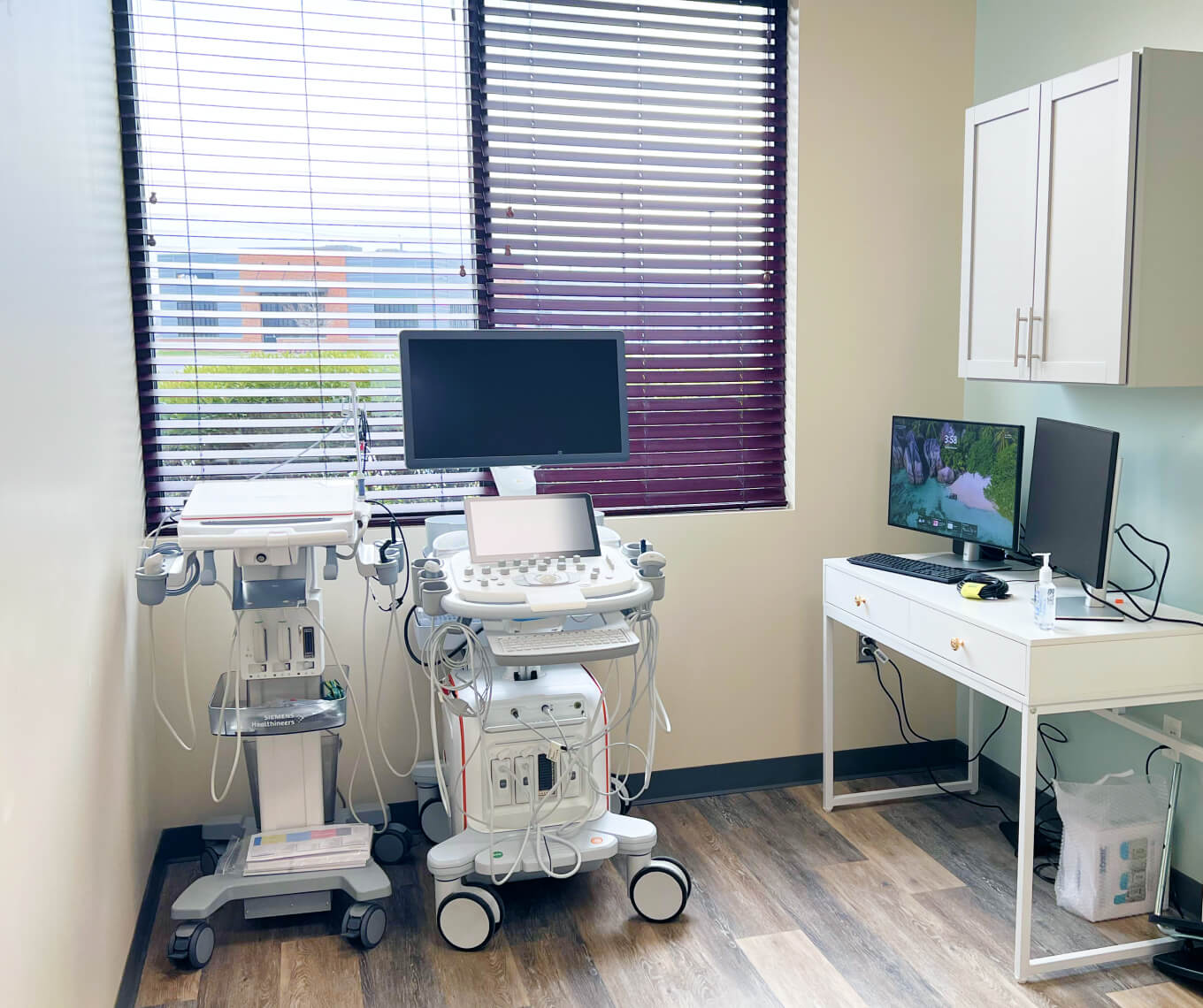
Our vascular specialists use advanced, non-invasive imaging to evaluate blood flow through the carotid arteries and identify plaque buildup or narrowing before serious complications occur.
Carotid Doppler Ultrasound (CDU)
A Carotid Doppler Ultrasound (CDU) is a non-invasive imaging test used to evaluate blood flow through the carotid arteries in the neck. Using ultrasound and Doppler technology, the test creates real-time images of the arteries while measuring the speed and direction of blood flow. It helps detect plaque buildup, narrowing (stenosis), or blockages that may increase the risk of stroke. The procedure is painless, does not involve radiation, and is typically completed in less than an hour, making it one of the most common tests used to diagnose and monitor carotid artery disease.
Arterial Duplex Ultrasound
An Arterial Duplex Ultrasound is a non-invasive imaging test that evaluates blood flow through arteries using traditional ultrasound combined with Doppler technology. In addition to assessing circulation in the legs, arterial duplex ultrasound can be used to evaluate blood flow in the carotid arteries and other blood vessels throughout the body. The test helps identify narrowed or blocked arteries, monitor vascular disease, and guide treatment planning. It is safe, painless, and typically completed in under an hour.
Carotid Artery Disease Treatment & Vascular Care
Treatment depends on the severity of the blockage and your overall risk of stroke. Many patients can successfully manage carotid artery disease through lifestyle changes, medications to control blood pressure and cholesterol, blood-thinning therapy, and regular monitoring. For more advanced disease, minimally invasive vascular procedures or surgery may be recommended to restore healthy blood flow and reduce stroke risk. Our vascular specialists develop personalized treatment plans based on your individual needs and health goals.
Why Early Detection & Treatment Matter
Because carotid artery disease often develops without noticeable symptoms, early detection is critical. Identifying narrowed carotid arteries before a stroke occurs allows treatment to begin sooner, helping reduce the risk of serious complications while protecting long-term brain and vascular health. If you have cardiovascular risk factors or have been referred for vascular testing, our team can provide expert evaluation and personalized care.