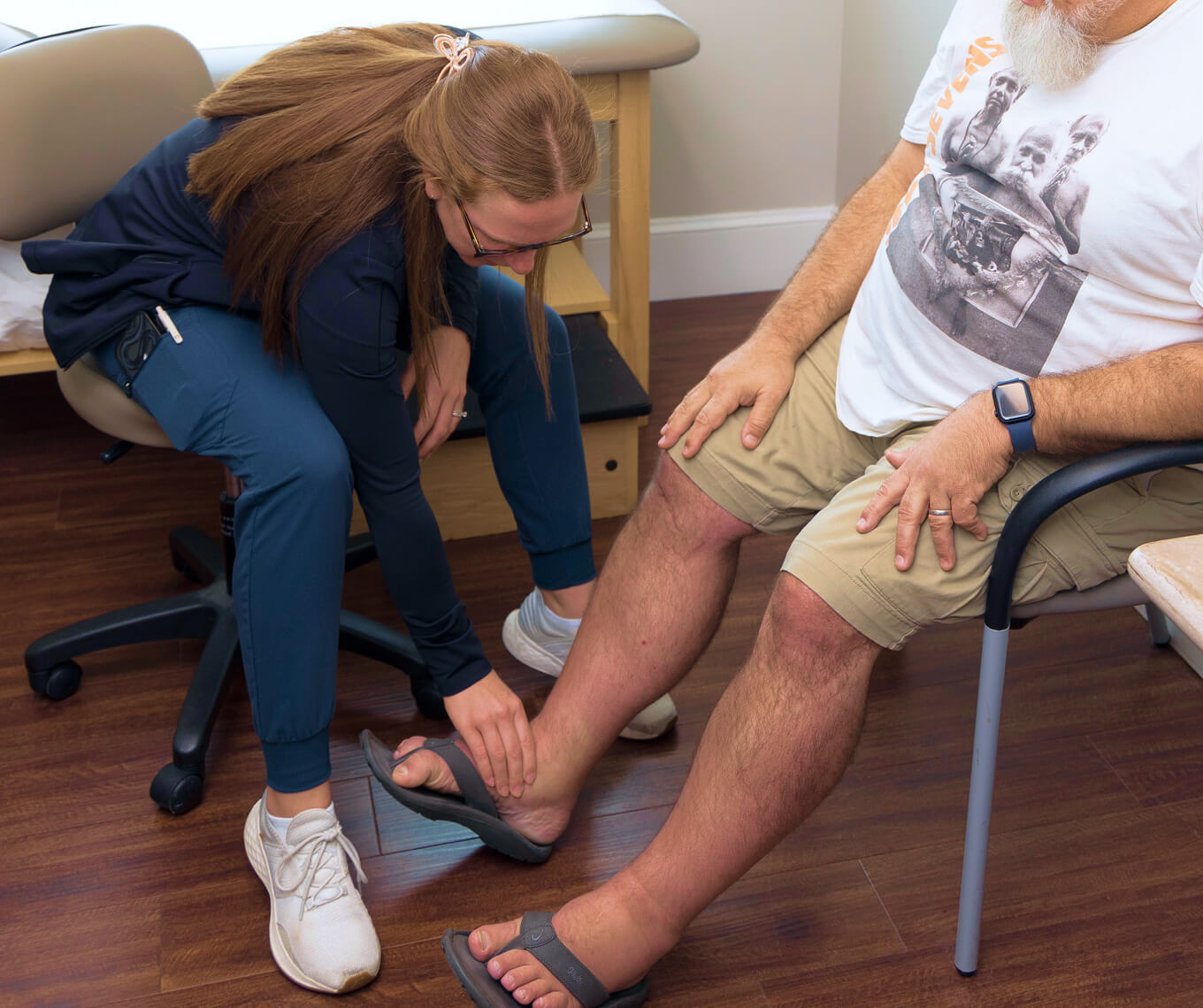

Understanding Chronic Venous Insufficiency
Chronic venous insufficiency (CVI) occurs when the valves inside the leg veins become weakened or damaged, making it difficult for blood to flow back toward the heart. As blood begins to pool in the veins, pressure builds over time, leading to swelling, discomfort, skin changes, and other symptoms. CVI is a common condition that often develops gradually and can worsen without treatment. At Cardiovascular Physicians of Delaware, our vein specialists provide comprehensive evaluations and personalized treatment plans to improve circulation, relieve symptoms, and help prevent long-term complications.
Symptoms of Chronic Venous Insufficiency
Symptoms of CVI often become more noticeable after standing or sitting for extended periods and may gradually worsen over time. Common symptoms include leg swelling, aching or heaviness, cramping, fatigue, itching, burning, or restless legs. As the condition progresses, patients may develop varicose veins, skin discoloration around the ankles, thickened skin, or slow-healing venous ulcers. Because many of these symptoms overlap with other circulation problems, a thorough vein evaluation is important for an accurate diagnosis.
What Causes CVI?
The most common cause of chronic venous insufficiency is damage to the one-way valves inside the veins that normally keep blood moving toward the heart. Risk factors include aging, family history, pregnancy, obesity, prolonged standing or sitting, previous blood clots, and a history of varicose veins. Over time, increased pressure inside the veins can weaken the vein walls and worsen symptoms if left untreated.
Chronic Venous Insufficiency Treatment Options
Treatment depends on the severity of your symptoms and the underlying cause of your vein disease. Many patients benefit from conservative treatments such as compression stockings, regular exercise, leg elevation, weight management, and lifestyle modifications to improve circulation. When symptoms persist or vein disease becomes more advanced, minimally invasive vein procedures may be recommended to close damaged veins and redirect blood flow to healthier veins.
Venous Duplex Ultrasound
A Venous Duplex Ultrasound is a non-invasive imaging test that uses sound waves and Doppler technology to evaluate blood flow through the veins, most commonly in the legs. It is the primary test used to diagnose chronic venous insufficiency by identifying damaged vein valves, reflux (backward blood flow), and areas where blood is pooling. The test also helps your vein specialist evaluate the severity of vein disease and determine the most appropriate treatment plan. In addition, venous duplex ultrasound can detect deep vein thrombosis (DVT) when a blood clot is suspected. The procedure is safe, painless, and typically completed in under an hour.
Why Early CVI Treatment Matters
Chronic venous insufficiency typically does not improve on its own and often progresses over time. Without treatment, ongoing pressure inside the veins can lead to worsening pain, persistent swelling, skin changes, venous ulcers, and an increased impact on your daily activities. Early evaluation allows your vein specialist to identify the source of your symptoms, begin appropriate treatment, and help slow the progression of vein disease while improving your comfort and quality of life.