Understanding Peripheral Artery Disease
Peripheral artery disease (PAD) is a common circulatory condition that occurs when plaque builds up inside the arteries, reducing blood flow to the arms or legs. Most often affecting the legs, PAD can cause pain, limit mobility, and increase the risk of serious complications if left untreated. Because PAD is closely linked to cardiovascular disease, early diagnosis and treatment are important for protecting both your circulation and your overall heart health.
Symptoms of PAD & Poor Circulation
Many people with PAD experience symptoms that develop gradually over time. Common signs include leg pain or cramping during walking (claudication), numbness, weakness, coldness in one leg or foot, slow-healing wounds, skin discoloration, or changes in hair growth on the legs. Some patients have few or no symptoms, making routine evaluation especially important for individuals with diabetes, high blood pressure, high cholesterol, or a history of smoking.
Diagnosing Peripheral Artery Disease
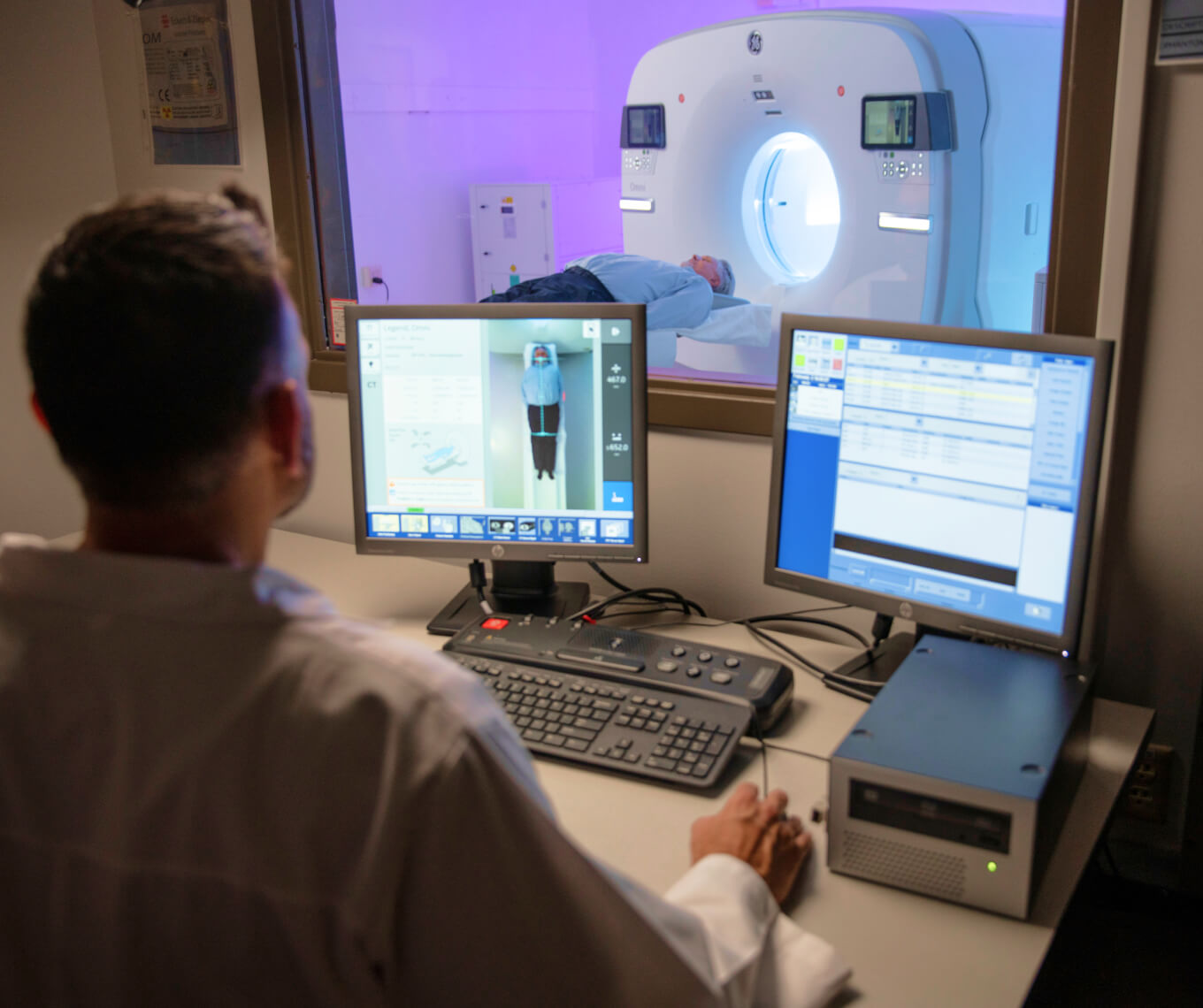
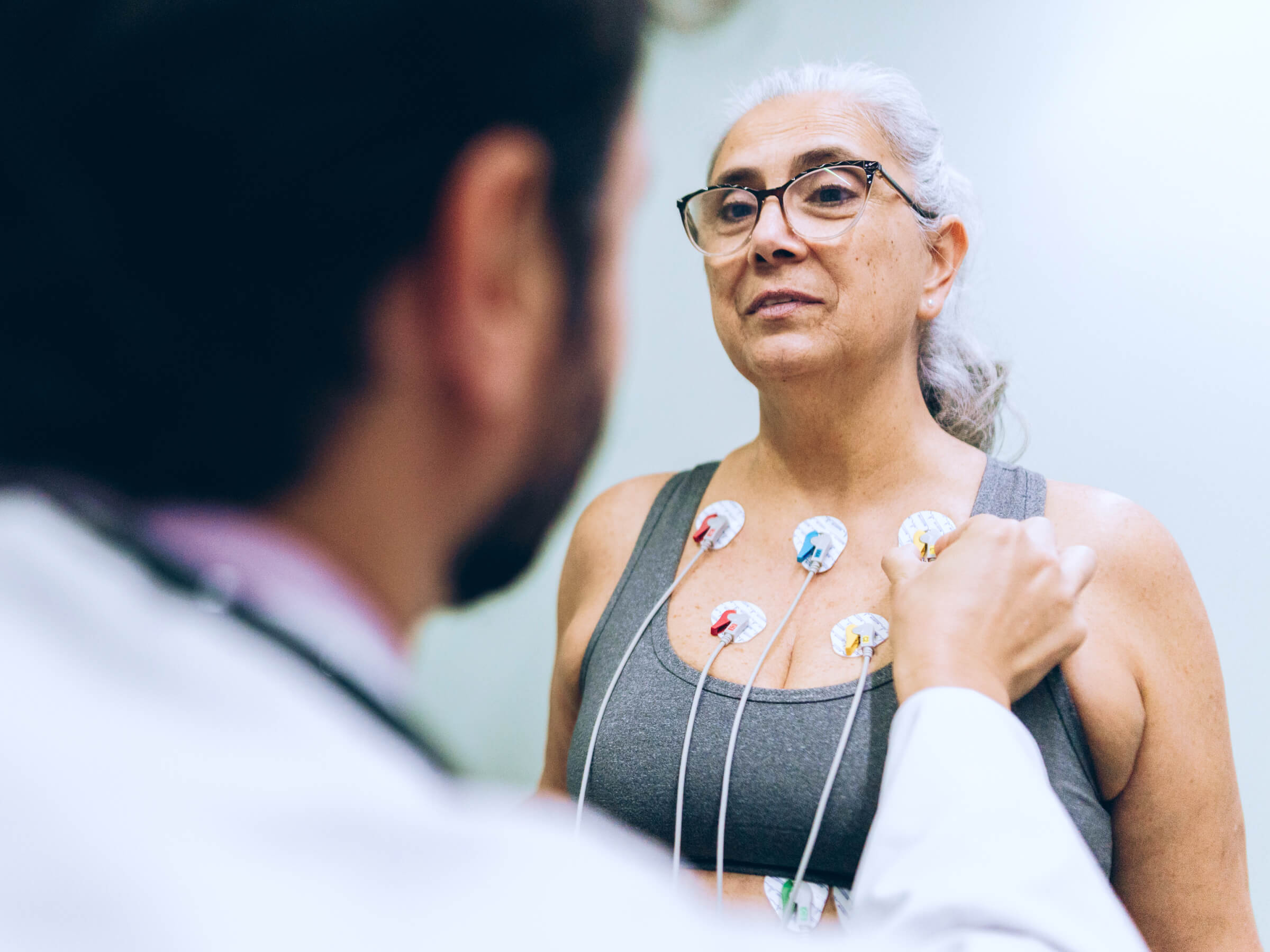
Diagnosing PAD begins with a thorough evaluation of your symptoms, medical history, and circulation. Our vascular specialists use advanced, non-invasive testing to assess blood flow, identify narrowed or blocked arteries, and determine the severity of the disease.
Ankle-Brachial Index (ABI)
The Ankle-Brachial Index (ABI) is a simple, non-invasive test used to assess blood flow in the legs and detect peripheral artery disease (PAD). It compares blood pressure measurements taken at the ankle and the arm to determine how well blood is flowing to the limbs. Lower pressure in the ankles may indicate narrowed or blocked arteries. The test is quick, painless, and often performed in a doctor's office or vascular lab. ABI helps identify circulation problems early, especially in patients with leg pain, diabetes, or risk factors for heart disease.
Arterial Duplex Ultrasound
An Arterial Duplex Ultrasound is a non-invasive imaging test used to evaluate blood flow through the arteries of the legs. It combines traditional ultrasound with Doppler technology to create real-time images and measure the speed and direction of blood flow, helping identify narrowed or blocked arteries caused by peripheral artery disease (PAD). The test is safe, painless, and typically completed in under an hour, providing valuable information to guide treatment decisions and reduce the risk of complications. Similar ultrasound technology may also be used to evaluate arteries in other areas of the body when appropriate.
PAD Treatment & Vascular Care
Treatment for PAD depends on the severity of the disease and your overall health. Many patients benefit from lifestyle modifications, smoking cessation, exercise therapy, medications to improve circulation or manage cardiovascular risk factors, and ongoing monitoring. For more advanced cases, minimally invasive vascular procedures may be recommended to restore blood flow and relieve symptoms. Our vascular specialists develop personalized treatment plans focused on improving circulation, reducing symptoms, and helping you maintain an active lifestyle.
Why Early PAD Treatment Matters
Without treatment, PAD can continue to progress, increasing the risk of chronic pain, non-healing wounds, limb-threatening complications, heart attack, and stroke. Early diagnosis allows patients to begin treatment before serious complications develop and can significantly improve long-term outcomes. If you're experiencing symptoms of poor circulation or have risk factors for vascular disease, our team can help you take the next step toward protecting your vascular health.